

Third-party cookies built modern retargeting. Now they're disappearing, and 77% of marketers are scrambling to rebuild their audience strategies. The most reliable retargeting signal was never stored in a browser. It's captured in the click itself.
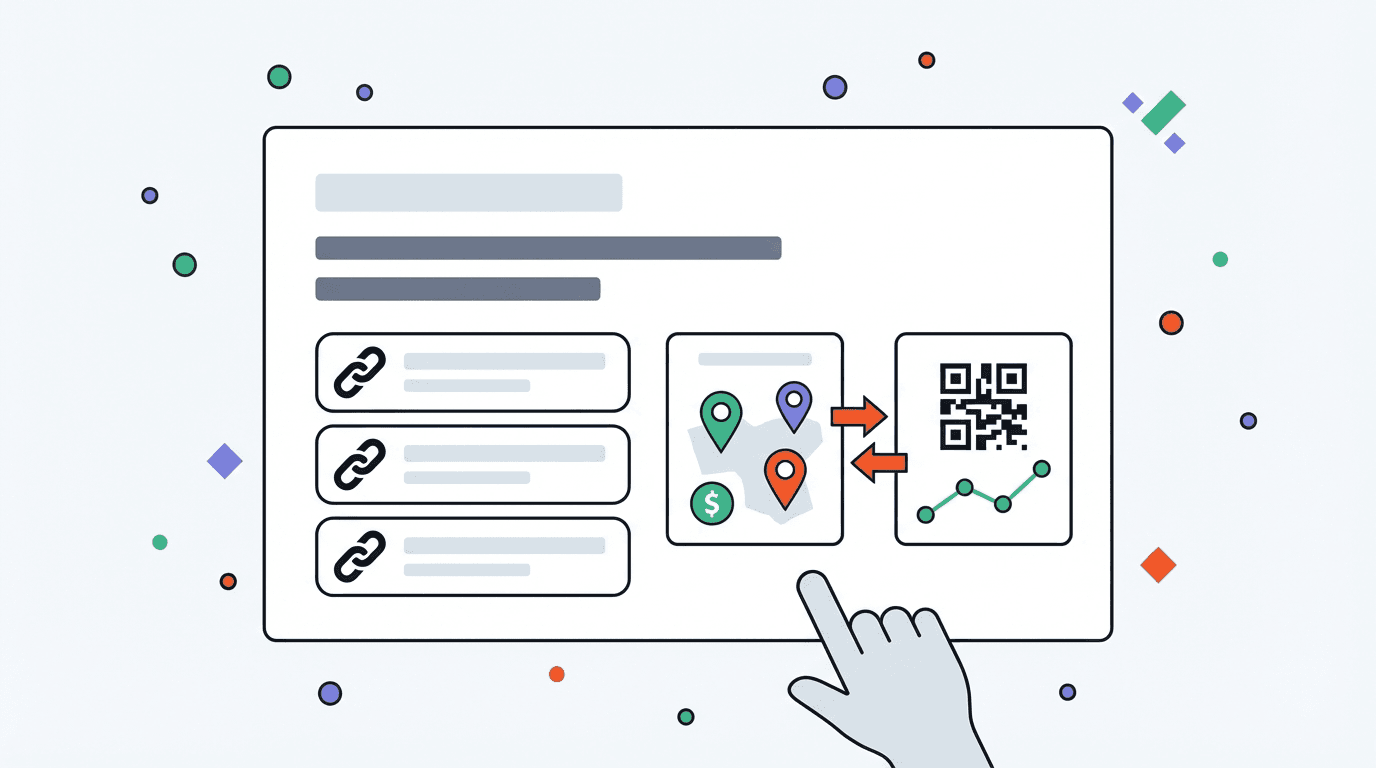
Link retargeting flips the traditional model. Instead of dropping pixels on your website and hoping browsers accept them, you track engagement at the server level when someone clicks your links. No consent banners. No cookie deprecation anxiety. Just clean, deterministic data about who engaged with your content and what they clicked.
The numbers back this shift. Retargeted display ads still generate 10x higher click-through rates than standard display (0.7% vs 0.07%), and retargeting reduces cost per acquisition by up to 42%. The tactic works, but only if you rebuild it around first-party data instead of dying cookie infrastructure.
Why Cookie-Based Retargeting Is Breaking Down
Traditional retargeting pixels face three structural problems that intensify every quarter. First, browser support continues eroding. Safari and Firefox block third-party cookies by default. Chrome's deprecation timeline keeps shifting, but the direction is clear. Every delay just postpones the inevitable infrastructure failure.
Second, GDPR compliance creates friction that shrinks addressable audiences. Building retargeting audiences from cookies requires explicit consent in EU markets, and consent rates hover around 40-60% depending on implementation. That's half your potential audience immediately unavailable, not because they opted out, but because they didn't actively opt in.
Third, attribution accuracy suffers. Performance data shows retargeting effectiveness declines 25-35% without cookies, and marketers struggle to connect cross-channel touchpoints when relying on last-click models tied to cookie data. You lose visibility into which campaigns actually drive conversions.
The alternative is server-side tracking that captures engagement through deterministic signals (clicks, conversions, form submissions) rather than probabilistic cookie matching. Teams adopting cookie-free tracking methods report 15-30% higher attribution accuracy while staying compliant with privacy regulations.
How Link Retargeting Works Without Pixels
Link retargeting captures audience data at the redirect level, before users reach your destination page. When someone clicks a tracked link, the redirect event logs analytics server-side: timestamp, referrer, device type, location, and a hashed identifier that doesn't rely on browser storage.
This creates a clean data trail independent of third-party cookies. You know exactly which links drove clicks, which audiences engaged with specific content, and which campaigns generated downstream conversions, all without asking browsers to store tracking data.
The technical implementation is straightforward. Your link management platform handles the redirect and captures analytics. You segment audiences based on click behavior: people who clicked newsletter links, clicked product pages from social media, or engaged with specific campaigns. Then you export those segments as custom audiences to your ad platforms.
Facebook, Google, and LinkedIn all support custom audience uploads via hashed email, phone, or user ID. You're not dependent on pixels firing correctly or cookies persisting. You're matching deterministic engagement data directly to platform user graphs. This preserves retargeting effectiveness while respecting browser privacy controls and regulatory requirements.
Building First-Party Audiences from Click Behavior
The shift from pixel-based to link-based audience building requires rethinking segmentation strategy. Instead of targeting everyone who visited your homepage, you build micro-segments around specific content engagement and behavioral signals.
Start with high-intent clicks. Track links to pricing pages, product demos, case studies, or comparison content. People who click these links signal purchase consideration. Export this segment weekly and create retargeting campaigns with conversion-focused messaging: testimonials, limited offers, or feature comparisons that address final objections.
Next, segment by content topic or campaign. If you're running multiple campaigns across channels, track each with unique links. Someone who clicks email content about Feature A but ignores Feature B shows clear preference. Retarget them with Feature A messaging rather than generic brand awareness ads. This precision targeting drives the 2-3x conversion lift retargeting is known for.
Geography adds another layer. Performance marketers using geo-targeting can build location-specific audiences and retarget with region-appropriate offers, pricing in local currency, or inventory availability messaging. Affiliate marketers benefit particularly, sending UK clicks to Amazon UK, then retargeting with UK-specific product recommendations.
Time decay matters too. Someone who clicked your link yesterday is warmer than someone who clicked three months ago. Refresh your retargeting audiences weekly or bi-weekly, prioritizing recent engagers. This improves relevance and prevents ad fatigue from showing the same creative to cold segments.
Multi-Channel Retargeting Beyond Display Ads
Link retargeting isn't limited to Facebook and Google display campaigns. The same click data powers retargeting across email, SMS, and direct outreach: channels that don't rely on cookies at all.
Email retargeting performs exceptionally well. Segment subscribers who clicked specific newsletter links but didn't convert. Send targeted follow-up sequences addressing the specific topic they engaged with. Performance data shows email retargeting drives 18-25% more repeat visits with higher open rates than broadcast campaigns because the messaging aligns with proven interest.
SMS retargeting works for time-sensitive offers. If someone clicked a product launch link but didn't purchase, a well-timed SMS with a limited discount can close the gap. The key is permission: only retarget via SMS if users opted into text communications. But when done correctly, SMS delivers immediate visibility that display ads can't match.
For B2B teams, click data enables account-based retargeting. Export companies (identified via IP or email domain) that engaged with specific content, then coordinate retargeting across LinkedIn ads, display campaigns, and direct sales outreach. This orchestrated approach increases touchpoints without relying on individual user cookies.
Performance marketers running complex campaigns benefit from organizing links into campaign structures that track engagement across channels. This creates unified audience pools you can retarget holistically rather than managing fragmented pixel data from each platform.
Measuring Link Retargeting Performance
Effective retargeting requires tracking two distinct conversion points: the initial click and the downstream conversion. Traditional pixel-based retargeting often loses this connection when cookies don't persist or attribution windows expire.
Server-side link tracking solves this by maintaining the full journey. You see which links drove initial engagement, which retargeting campaigns drove return visits, and which combinations produced conversions. This closed-loop attribution is what enables the 42% cost per acquisition reductions reported in performance studies.
Key metrics to monitor include click-to-conversion time, retargeting audience size decay (how quickly engaged users drop off), and incremental lift from retargeting versus cold acquisition. B2B marketers report 50% lower CPA and 25% higher conversion rates specifically because link-level attribution reveals which touchpoints actually matter.
Compare retargeting performance across audience segments. Are people who clicked pricing content converting faster than those who engaged with blog content? Does geography affect conversion rates? This granular analysis, possible only with deterministic click data, helps you allocate budget to highest-performing segments.
Link analytics that capture click timestamps, referrer data, device breakdowns, and geographic distribution provide the depth needed for this analysis. Combined with conversion tracking, this creates complete visibility into retargeting ROI without cookie dependency.
Implementing Cookie-Free Retargeting: Practical Steps
Moving from pixel-based to link-based retargeting doesn't require burning down existing infrastructure. Start by running both systems parallel, then gradually shift budget as you validate performance.
First, audit your current link tracking setup. Are you using unique tracked links for each campaign and channel? If you're sharing the same destination URL across email, social, and paid ads, you can't segment audiences by engagement source. Implement unique links with clear naming conventions that indicate campaign, channel, and content type.
Second, establish audience refresh cadence. Export engaged users weekly from your link management platform, format as custom audiences for your ad platforms, and upload. Most teams find weekly refreshes balance recency with audience size. Daily refreshes work for high-volume campaigns but create operational overhead.
Third, create retargeting creative that acknowledges the initial engagement. Generic brand awareness ads waste the warm audience advantage. Reference the specific content they clicked: "You checked out our pricing, here's a customer getting 3x ROI" performs better than "Try our product."
Fourth, implement exclusion logic. Don't retarget people who already converted. Export converters separately and exclude them from retargeting campaigns to avoid wasting impressions and annoying new customers. This seems obvious but requires disciplined audience management many teams overlook.
Finally, test incrementally. Start with one high-intent segment, pricing page clickers or demo request form viewers, and validate that retargeting delivers measurable lift. Once proven, expand to broader engagement segments and additional channels.
Privacy Compliance and First-Party Data Ownership
Link retargeting aligns naturally with GDPR and privacy regulations because it operates on first-party data you own. When someone clicks your link, they're directly interacting with your content, not passively accepting third-party tracking as they browse the web.
Server-side click tracking doesn't require consent banners for basic analytics under GDPR, because no data is stored in the user's browser. You're logging engagement on your infrastructure. When you export this data as custom audiences to ad platforms, you're sharing first-party data you collected directly, not third-party cookie pools assembled by ad networks.
This distinction matters for compliance and data ownership. Traditional pixel-based retargeting creates dependency on platform ecosystems: your audience data lives in Facebook's pixel or Google's tag, and you have limited export or portability rights. Link-based retargeting keeps the source data in your infrastructure. You control data export, retention policies, and how you share audiences with platforms.
For EU-based businesses or those targeting EU customers, this compliance-first approach reduces legal risk while preserving marketing effectiveness. You're building retargeting strategies on solid regulatory ground rather than hoping cookie-dependent infrastructure survives the next privacy regulation.
Frequently Asked Questions
What is link retargeting and how is it different from pixel retargeting?
Link retargeting builds custom audiences from people who click your tracked links, capturing engagement data at the server level during the redirect. Pixel retargeting relies on browser cookies dropped when someone visits your website. Link retargeting works without cookies, provides deterministic attribution, and doesn't require consent banners under GDPR for basic tracking.
Can I use link retargeting with Facebook and Google Ads?
Yes. Both platforms support custom audience uploads via hashed email, phone number, or user ID. Export your engaged users from your link tracking system, format as a custom audience file, and upload to Facebook Ads Manager or Google Ads. The platforms match your first-party data to their user graphs, enabling retargeting without relying on pixels or cookies.
How long does link retargeting data remain useful?
Engagement recency strongly impacts retargeting performance. Users who clicked within the last 7-14 days typically convert 3-5x better than those who engaged 60+ days ago. Refresh retargeting audiences weekly or bi-weekly, prioritizing recent engagers. Most link management platforms provide analytics retention of 12+ months, allowing you to experiment with different time windows and measure decay rates.
Does link retargeting work for B2B marketing with long sales cycles?
Link retargeting excels in B2B contexts because it tracks engagement over extended timeframes without cookie expiration issues. Build audiences around content depth: people who clicked multiple resources, engaged with case studies, or visited pricing pages. Layer retargeting across LinkedIn ads, email sequences, and direct outreach using the same underlying click data. B2B marketers report 50% lower CPA specifically because link-level attribution reveals true multi-touch influence.
Building Audiences That Survive Privacy Changes
The retargeting tactic isn't dying. Pixel dependency is. Performance marketers who rebuild audience strategies around server-side link tracking preserve the 10x CTR advantage and 42% CPA reduction that make retargeting essential, while gaining attribution accuracy and regulatory compliance that cookie-based systems can't deliver.
Start with one campaign. Track every link with unique identifiers. Export engaged users weekly. Upload as custom audiences. Measure incremental lift. The infrastructure shift takes weeks to implement but builds sustainable retargeting systems independent of browser policy changes or privacy regulation shifts.
Cookie deprecation creates competitive advantage for early movers. While competitors scramble to patch breaking pixel implementations, you're building first-party audiences from deterministic engagement data that gets stronger with scale. Ready to future-proof your retargeting strategy? See how privacy-first link tracking captures the audience data you need without the compliance risk you don't.