
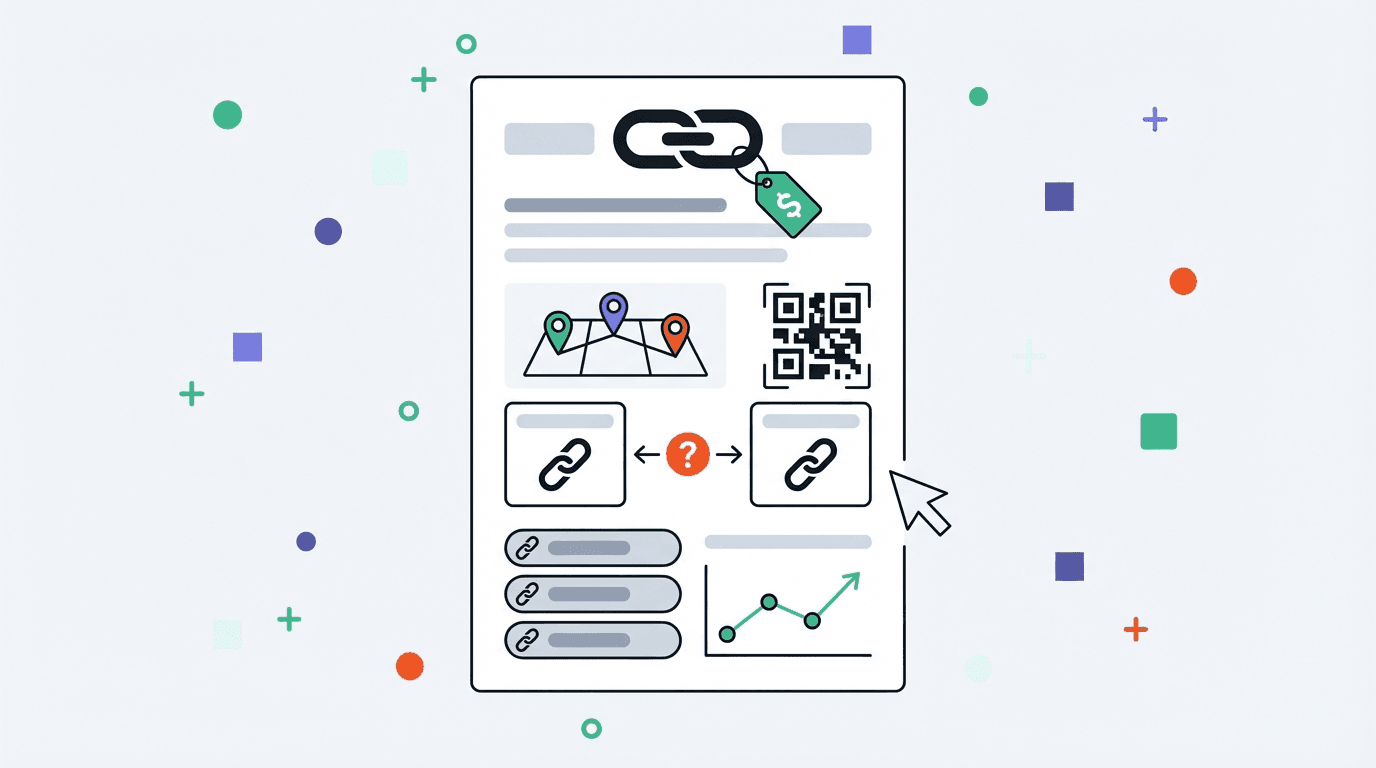
Manual link creation doesn't scale. When you're managing hundreds or thousands of marketing campaigns, product launches, or client projects, clicking through a web interface becomes the bottleneck. Link shortener APIs turn that tedious manual work into automated systems that run while you sleep.
The URL shortener market is projected to reach USD 560.56 million by 2031 with a 19.8% CAGR, driven largely by API integration demands and marketing automation needs. Yet third-party shortener downtime and click counts that disagree with website analytics are common complaints, which is why the API you pick matters. The solution isn't abandoning automation. It's choosing the right API infrastructure.
This guide walks you through building automated link creation systems that scale, maintain data accuracy, and integrate cleanly with your existing development workflows.
Why Link Shortener APIs Matter for Modern Development Workflows
Traditional link management through web dashboards made sense when you created five links per week. But modern marketing operations generate links at scale: dynamic product campaigns, personalized email sequences, multi-variant social media tests, and affiliate tracking across dozens of partners.
API automation solves several pain points at once. It eliminates human error in link creation, so no more typos in UTM parameters or inconsistent naming conventions. It enables real-time link generation triggered by external events: new product additions, campaign launches, or customer actions. And it centralizes link management within your existing development ecosystem rather than forcing context switches to separate platforms.
According to U.S. Department of Labor research, 34% of digital marketing teams now use URL shorteners integrated with automation platforms to improve campaign efficiency. Beyond saving time, it builds reliable systems that maintain consistent tracking parameters across thousands of touchpoints.
The data accuracy problem deserves special attention. When 28% of marketers struggle with attribution gaps between shortener analytics and website data, it's often because their link creation process introduces inconsistencies. Automated API workflows enforce data standards that manual processes simply can't maintain at scale.
Core Components of an Effective Link Shortener API
Not all link shortener APIs are built the same. Before investing development time into integration, evaluate whether an API provides the functionality your automation workflows actually need.
The foundation is straightforward link creation and deletion endpoints. You should be able to programmatically create a shortened link, specify the destination URL, set optional parameters like custom back-halves or expiration dates, and receive a response with the shortened URL and tracking ID. Equally important is the ability to delete or update links without manual intervention.
Bulk operations become essential at scale. If your workflow generates 500 links for a product catalog update, making 500 individual API calls introduces unnecessary latency and complexity. Well-built APIs support bulk link creation through batch endpoints that process arrays of link data in single requests.
Advanced tracking capabilities separate basic shorteners from professional tools. Look for APIs that return granular analytics: geographic data, device information, referrer sources, and timestamp precision. Server-side tracking ensures this data remains accurate even as browser privacy restrictions tighten. With traditional cookie-based tools facing deprecation challenges, cookie-free tracking methods maintain data continuity without requiring user consent banners.
Custom domain support through the API enables true link branding at scale. Rather than manually configuring domains through a dashboard, your automation scripts should programmatically assign custom domains to link batches, maintaining brand consistency across campaigns.
Building Python Scripts for Automated Link Creation
Python remains the go-to language for marketing automation scripts due to its readable syntax and extensive library ecosystem. A basic link creation script requires just a few components: an HTTP client library, your API credentials, and error handling logic.
Start with authentication. Most modern APIs use token-based authentication where you include an API key in request headers. Store these credentials as environment variables rather than hardcoding them into scripts; that prevents accidental exposure when sharing code or committing to version control.
Your core link creation function should accept parameters for the destination URL, optional custom back-half, campaign identifiers, and any UTM parameters. Rather than manually constructing UTM strings, build a helper function that generates properly formatted parameters from structured data. This ensures consistency and makes bulk operations cleaner.
Error handling separates functional scripts from production-ready automation. Network requests fail, APIs rate-limit requests, and destination URLs sometimes contain invalid characters. Implement retry logic with exponential backoff for temporary failures, validate URLs before sending requests, and log failures for later review rather than silently dropping them.
For bulk operations, consider reading link data from CSV files or database queries. This separates data management from the script logic itself, making it easier to review and modify link batches before execution. A typical workflow reads rows from a CSV containing destination URLs and metadata, transforms each row into API request parameters, batches requests to respect rate limits, and writes results back to a file for record-keeping.
Data export capabilities matter when integrating link creation with broader analytics workflows. The useClick API allows you to not just create links but also retrieve analytics data programmatically, enabling automated reports that combine link performance with other business metrics.
Integrating Link Automation with n8n Workflows
While Python scripts excel at scheduled batch operations, visual workflow tools like n8n enable event-driven automation without writing code. This matters when link creation should trigger based on external events: new CRM contacts, form submissions, database changes, or scheduled content publishing.
The n8n approach connects nodes that represent different services and actions. A typical link creation workflow might start with a trigger node monitoring a Google Sheet for new rows, transform the data to extract necessary fields, call the link shortener API to create shortened URLs, and write results back to the sheet or send them to a Slack channel.
The power emerges when combining multiple services. Imagine an affiliate marketing workflow that monitors your product database for price changes, automatically creates geo-targeted shortened links for different regions, updates those links in your email marketing platform, and posts optimized variants to social media scheduling tools. This level of geographic link targeting would require hours of manual work but runs automatically once configured.
Error handling in n8n differs from traditional scripting. Use conditional nodes to check API response status codes and branch workflows accordingly. Success paths might continue to update external systems, while error paths send notifications to monitoring channels. This visual approach makes debugging easier: you can see exactly where a workflow failed and inspect the data at each step.
Rate limiting deserves special attention in n8n workflows since they often process data in real-time rather than batched schedules. Use delay nodes between API calls or batch operations to stay within API limits. Most professional link shortener APIs provide reasonable rate limits that accommodate legitimate automation needs without requiring complex throttling logic.
Privacy-First API Architecture and GDPR Compliance
The shift toward privacy regulations changes how link tracking APIs need to function. Over 50% of URL shortener providers enhanced API integrations specifically to address cookie deprecation and privacy compliance by 2025, according to Business Research Insights.
Server-side tracking architectures capture analytics during the redirect process itself rather than relying on JavaScript tracking pixels or cookies stored in user browsers. This approach has three advantages for developers: it works regardless of browser privacy settings, requires no consent banners under GDPR for basic analytics, and produces more accurate data since it can't be blocked by ad blockers or privacy extensions.
When evaluating link shortener APIs, ask where data is stored and processed. EU-hosted infrastructure simplifies GDPR compliance since data never leaves European jurisdiction. This matters particularly for agencies serving European clients or companies subject to European privacy regulations.
API responses should clearly separate personally identifiable information from aggregate analytics. Your automation scripts shouldn't need to handle sensitive user data to access campaign performance metrics. Well-designed APIs return anonymized click data, geographic regions rather than precise coordinates, and device categories instead of unique identifiers.
Real-World Implementation Examples
Consider how different teams use link shortener APIs to solve specific automation challenges.
E-commerce teams managing thousands of products create automated link generation triggered by inventory management systems. When a product is added to the catalog, the workflow generates shortened tracking links for email campaigns, social media posts, and affiliate partners, all with consistent UTM parameters and custom domains. Product updates automatically refresh destination URLs without breaking existing shortened links.
Marketing agencies serving multiple clients use API automation to maintain link organization at scale. Scripts generate client-specific shortened links with custom domains, organize them into campaign structures, and export analytics on schedules aligned with client reporting cycles. This eliminates the manual work of switching between client accounts and ensures data accuracy.
SaaS companies integrate link creation APIs with their product onboarding flows. When users complete specific actions, automated workflows generate personalized shortened links for sharing features or inviting team members. These links include tracking parameters that attribute growth back to specific user cohorts, which informs product development priorities.
Content creators and newsletter writers automate link creation for recurring content formats. A weekly newsletter workflow reads article URLs from a CMS, generates shortened tracking links with episode or issue numbers in the custom back-half, updates the email template, and schedules delivery, all without manual link management.
Monitoring and Maintaining Automated Link Systems
Automation isn't set-and-forget. Production link creation systems require monitoring to catch failures before they impact campaigns.
Implement logging that captures both successful operations and failures. When a bulk link creation script runs, log how many links were requested, how many succeeded, which failed, and why. Store these logs in a searchable format so you can diagnose patterns: maybe certain destination domains consistently fail validation, or API timeouts occur during specific time windows.
Set up alerting for critical failures. If your automated system hasn't successfully created links in the expected timeframe, someone needs to know immediately. This might be as simple as a daily summary email or as sophisticated as integration with monitoring platforms like Datadog or New Relic.
Validate link functionality beyond just successful API responses. Periodically test a sample of generated links to ensure they redirect properly and tracking fires correctly. This catches issues like destination URL changes or DNS problems with custom domains before users encounter broken links.
Plan for API versioning and changes. When shortener APIs release updates, review changelog notifications to understand if your integration code needs updates. Well-designed APIs maintain backward compatibility, but proactive monitoring prevents surprises.
Frequently Asked Questions
What makes a link shortener API suitable for bulk automation?
The best APIs for bulk automation provide batch endpoints that process multiple links in single requests, support custom domains programmatically, offer server-side analytics that don't depend on cookies, and include reliable error handling with clear response codes. Look for rate limits that accommodate your scale and documentation that includes code examples for common automation scenarios.
How do I handle API rate limiting in automated workflows?
Implement exponential backoff retry logic that waits increasingly longer periods after rate limit errors before retrying. For scheduled batch operations, spread requests over time rather than sending hundreds simultaneously. In n8n workflows, add delay nodes between API calls. Most professional link shortener APIs provide generous limits; if you're consistently hitting them, consider batching operations or upgrading to a higher tier.
Can automated link creation maintain GDPR compliance?
Yes, when using privacy-first APIs with server-side tracking. These systems capture analytics during the redirect without storing cookies on user devices, meaning basic click tracking doesn't require consent banners under GDPR. Choose APIs hosted in the EU for additional compliance assurance, and ensure your automation scripts don't unnecessarily log personally identifiable information.
What's the difference between Python scripts and workflow tools like n8n for link automation?
Python scripts excel at scheduled batch operations, complex data transformations, and integration with existing codebases. They require programming knowledge but offer maximum flexibility. Workflow tools like n8n provide visual interfaces for event-driven automation, making them accessible to less technical users and ideal for triggering link creation based on external events like form submissions or database changes. Many teams use both approaches for different use cases.
Building Scalable Link Infrastructure
API automation transforms link management from a manual bottleneck into a scalable system that grows with your operations. Whether you're processing dozens of links daily or thousands per campaign, the principles remain consistent: enforce data standards through code, eliminate manual steps that introduce errors, and maintain monitoring that catches issues before they impact users.
The URL shortener market's rapid growth to a projected $560 million by 2031 tracks with more companies building links into their infrastructure instead of treating them as an afterthought. Proper API integration, automated workflows, and reliable tracking pay off in attribution accuracy and fewer campaigns held up by manual link work.
Ready to build automated link workflows that scale? Explore useClick's API capabilities and see how privacy-first, developer-friendly infrastructure eliminates the common pain points of traditional link shorteners. Start with simple automation and expand as your needs grow.