
When only 40% of link builders report that their dashboards effectively communicate investment value to clients, there's a fundamental problem in how agencies manage and report on link campaigns. The gap between what agencies deliver and what clients understand creates friction that erodes trust and threatens retention.
Modern agency link management goes beyond shortening URLs or tracking clicks: it means building transparent, client-facing systems that demonstrate value at every touchpoint. White-label dashboards that clients can access directly eliminate the reporting bottleneck while building the professional credibility that keeps accounts active year after year.
Why Traditional Agency Link Management Falls Short
The 2025 BuzzStream link building survey reveals a troubling reality: just over half (53%) of link builders believe their link building reports are easy to understand. When your clients can't interpret the data you're providing, the reporting has failed, and so has your case for ROI.
Most agencies cobble together reporting from multiple disconnected tools. One platform tracks link clicks, another measures conversions, a spreadsheet tracks campaign budgets, and someone manually compiles everything into a monthly PDF. This fragmented approach creates three critical problems.
First, it's impossibly time-consuming. When 68% of link builders use spontaneous or unplanned approaches rather than documented processes, you're wasting billable hours on manual data compilation. Second, inconsistency breeds client confusion. When report formats change month to month, clients can't identify trends or understand progress. Third, delayed reporting means delayed decisions. By the time a client sees last month's performance, optimization opportunities have already passed.
The shift toward digital PR as the most effective link building tactic (used by 48.6% of professionals) has only intensified these challenges. PR campaigns generate dozens or hundreds of links across multiple publications, making manual tracking practically impossible at scale.
What White-Label Agency Tools Actually Solve
White-label link management creates a direct connection between your work and your client's understanding of that work. Instead of generating reports about link performance, you give clients access to live dashboards that show real-time analytics under their own branding.
This shift from periodic reporting to continuous transparency fundamentally changes client relationships. When a client logs into a dashboard branded with their company colors and sees exactly which campaigns are driving traffic, which geographic regions are responding, and which channels are converting, they're not relying on your interpretation anymore. They're seeing the data themselves.
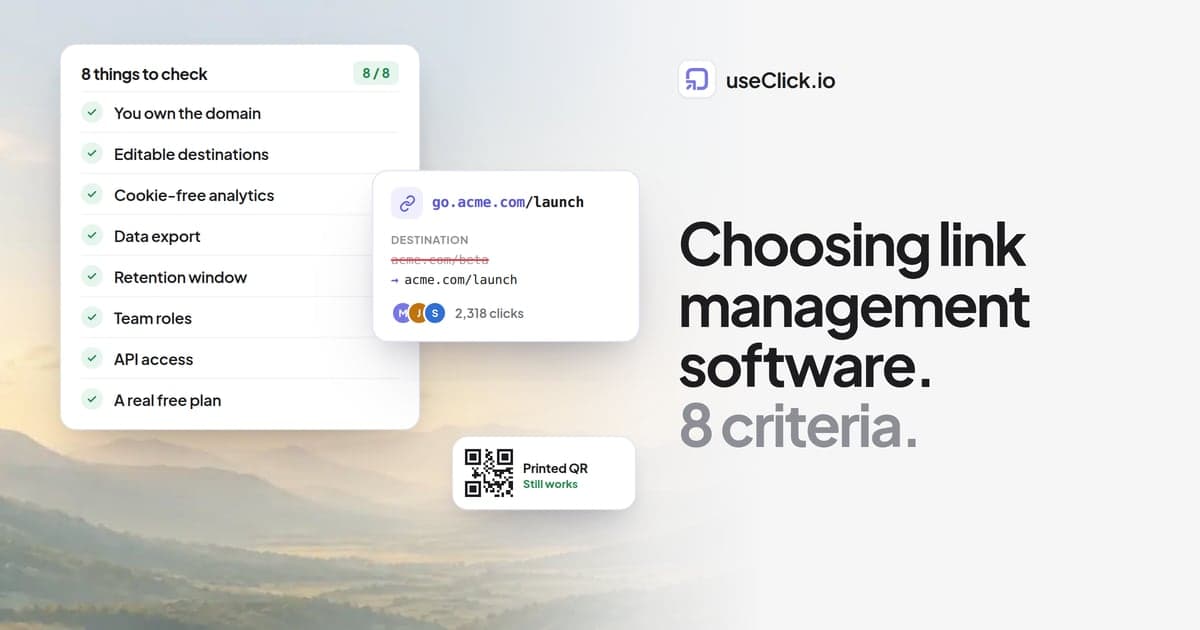
Professional link management platforms with white-label capabilities let you create custom domains for each client. Instead of generic short links that scream "marketing tool," clients get branded short URLs that reinforce their own brand identity. A financial services client might use links like fs-brand.link/q1-campaign, while a retail client uses retail-brand.co/spring-sale. Every click reinforces their brand, not yours or some third-party platform's.
The custom domain functionality that enables this level of branding also improves click-through rates. Research consistently shows that branded links generate higher engagement than generic shortened URLs, which means your campaigns perform better while simultaneously strengthening client brand equity.
Building Client-Facing Dashboards That Demonstrate Value
The agencies that retain clients longest treat metrics as a story, not just a report. A well-structured client dashboard should answer three questions within seconds: What happened? Why does it matter? What should we do next?
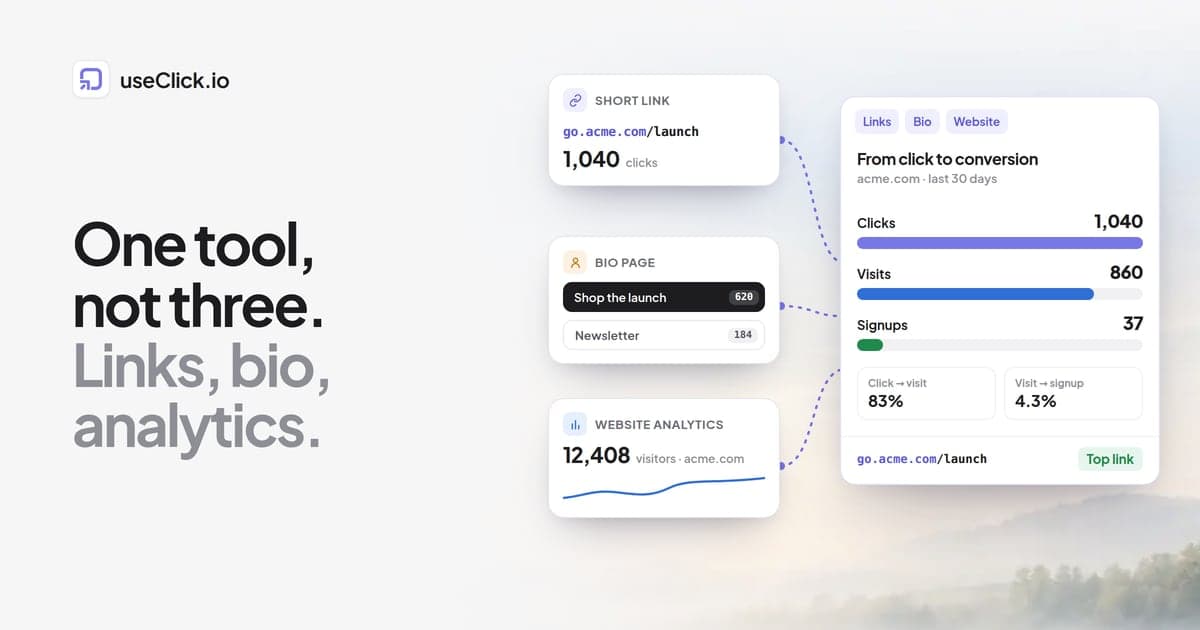
Start with visibility metrics that connect to business outcomes. Total clicks matter less than clicks from target demographics or clicks that led to conversions. When 61% of successful link builders align their goals with KPIs, they're focusing on metrics that tie directly to client revenue or acquisition costs, not vanity numbers.
Geographic performance data tells particularly compelling stories for multi-market clients. A SaaS company expanding into new European markets needs to see which regions are responding to messaging. An e-commerce brand running seasonal campaigns wants to identify which cities are driving the highest average order values. Geo-targeting capabilities let you segment performance by country, region, or city, giving clients the granular insights they need for strategic decisions.
Campaign organization transforms raw data into strategic intelligence. Instead of presenting an undifferentiated list of links and clicks, group performance by campaign, channel, or time period. Show a retail client that their Instagram campaigns generate 3x the engagement of email campaigns, or demonstrate to a B2B client that LinkedIn outperforms Twitter for enterprise leads. This level of organization requires campaign management features that let you structure hundreds of links into coherent narratives.
Temporal analysis reveals optimization opportunities. Which days of the week generate peak engagement? What hours see the highest conversion rates? When clients can see that Tuesday morning email sends consistently outperform Friday afternoon sends, they can adjust scheduling. When weekend social posts generate clicks but weekday posts drive conversions, messaging strategies can evolve accordingly.
Privacy Compliance as a Client Retention Tool
European agencies face particular scrutiny around data handling and privacy compliance. When a client asks whether their link tracking requires cookie consent banners, you need a clear answer. When they question where click data is stored and who has access, uncertainty erodes trust.
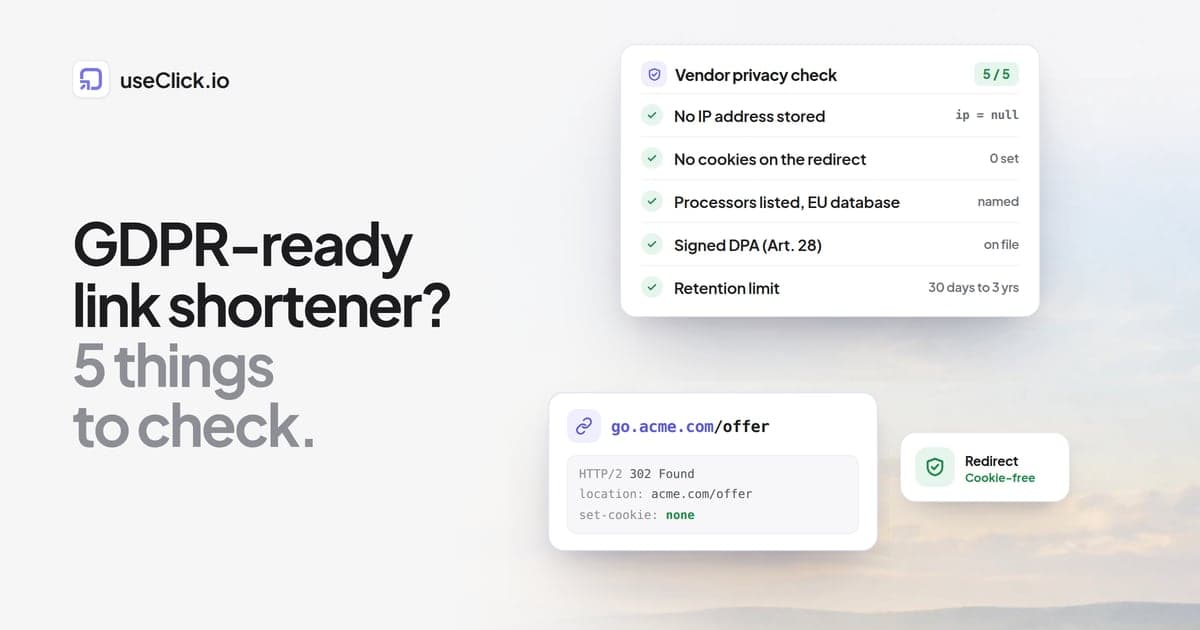
Cookie-free tracking architecture eliminates these concerns entirely. Server-side analytics capture performance data during the redirect process without storing anything on user devices. This means no consent banners, no privacy policy updates, and no GDPR complications for basic click tracking.
EU-hosted data infrastructure provides additional assurance for privacy-conscious clients. When click data never leaves European servers, compliance with data localization requirements becomes automatic. For agencies serving financial services, healthcare, or government clients, this isn't a nice-to-have feature. It's a requirement for winning and keeping contracts.
Privacy-first marketing tools are gaining ground for the same reason: clients increasingly expect transparent data practices. Agencies that address privacy concerns up front differentiate themselves from competitors still relying on legacy platforms with questionable data handling practices.
Pricing Transparency That Scales With Client Growth
Nothing damages client relationships faster than unexpected cost increases. Traditional link management platforms charge enterprise rates for features that should be standard, forcing agencies to either absorb costs or pass them through with awkward explanations.
When the average cost per link for digital PR link builders reaches $750, agencies need infrastructure that doesn't add hundreds or thousands more in monthly platform fees. A link management platform starting at €12/month for fundamental tracking capabilities means you can profitably serve mid-market clients without sacrificing margin to tool costs.
Feature access at reasonable price points matters particularly for A/B testing capabilities. Most platforms restrict testing to enterprise tiers costing several hundred euros monthly. When you can access A/B testing functionality starting at €29/month, you can optimize client campaigns without requiring massive budgets. This means better results for clients and competitive differentiation for your agency.
Transparent pricing lets you quote confidently. When a potential client asks what link management costs for their 50-link monthly campaign across five branded domains, you can provide a specific number immediately. No "contact sales" gatekeeping, no surprise overages, no awkward conversations about unexpected invoices.
Implementing Agency Link Management Systems
Transitioning from ad-hoc link tracking to professional white-label systems requires planning, but the implementation itself should be straightforward. Start by auditing current link management practices across all active client accounts. How many unique domains are you managing? What's the average monthly link volume per client? Which analytics matter most for reporting?
Set up custom domains for each major client. This one-time configuration step provides ongoing branding benefits for every link you create. Most platforms allow multiple domains per account, so you can manage all client domains from a single administrative interface while each client sees only their own branded links and analytics.
Migrate existing campaigns systematically rather than all at once. Choose a single client account as a pilot, preferably one with strong communication and a willingness to provide feedback. Set up their branded domain, recreate their active campaigns in the new system, and run parallel tracking for one reporting cycle. This lets you verify data accuracy before fully committing.
Train clients on dashboard access gradually. Don't just send login credentials and assume they'll figure it out. Schedule a 15-minute screen share walking through the dashboard interface, explaining what each metric means and how to filter data by campaign or time period. Record this session and share it for reference.
Establish regular review cadences that use the dashboard data. Monthly strategy calls become more productive when both you and the client are looking at the same real-time data during discussion. Instead of presenting static reports, you're collaboratively analyzing performance and identifying optimization opportunities.
Advanced Features That Differentiate Premium Service
Once foundational tracking and reporting are solid, advanced capabilities let you deliver premium-tier service that justifies higher retainers and improves client outcomes.
Bulk link management becomes essential as client campaigns scale. When a product launch requires 200 unique tracking links across multiple channels and markets, manual link creation is impractical. Bulk upload capabilities let you generate dozens or hundreds of links from a spreadsheet, maintaining consistent naming conventions and campaign organization without hours of repetitive work.
Data export functionality ensures clients retain access to their historical performance data. Whether they need reports for board presentations, want to analyze trends in their own business intelligence tools, or simply prefer working with raw data, comprehensive export capabilities demonstrate that you're not holding data hostage. This transparency builds trust that translates to longer client relationships.
QR code generation bridges offline and digital campaign tracking. When clients run print advertising, attend trade shows, or use physical marketing materials, trackable QR codes connect offline spend to online outcomes. The ability to track which physical locations or print placements drive the most engagement provides attribution that traditional offline marketing can never achieve.
Integration capabilities matter for agencies managing complex marketing stacks. API access lets you connect link management to CRM systems, marketing automation platforms, or custom reporting dashboards. Agencies serving enterprise clients often need these integrations to fit within existing workflows and data ecosystems.
Frequently Asked Questions
What should agencies look for in white-label link management tools?
Focus on three core capabilities: custom domain support so every client can use branded links, comprehensive analytics that capture device, location, and referrer data, and reasonable pricing that lets you serve mid-market clients profitably. Privacy compliance features like cookie-free tracking are essential for European agencies or those serving regulated industries.
How do white-label dashboards improve client retention?
Transparent access to real-time performance data eliminates reporting delays and builds trust. When clients can log in anytime to see campaign performance, you're demonstrating continuous value rather than asking them to trust monthly summaries. This transparency reduces churn because clients clearly see the ROI you're delivering.
Can small agencies benefit from professional link management platforms?
Absolutely. Professional link management at accessible price points (starting around €12-29/month) means even boutique agencies can deliver enterprise-grade tracking and reporting. The time saved on manual reporting often pays for the platform within the first month, and the professional impression created by branded links and client dashboards helps win larger accounts.
How does privacy-compliant tracking affect client reporting?
Cookie-free, server-side tracking provides the same comprehensive analytics as cookie-based tools but without GDPR complications or consent banner requirements. Clients get complete performance data including geographic location, device types, and referrer information without privacy concerns. EU-hosted infrastructure adds another layer of compliance assurance for sensitive industries.
Building Long-Term Client Value Through Transparent Systems
The agencies that thrive long-term build systems that demonstrate value continuously, not just campaigns that run once and get reported on later. White-label link management with client-facing dashboards transforms reporting from a monthly chore into an always-on trust-building mechanism.
When clients can see exactly which campaigns are performing, understand why specific channels outperform others, and access this intelligence whenever they need it, your agency becomes indispensable. You become the infrastructure their marketing decisions rely on, not just a service provider they could swap out.
The investment in professional agency link management pays dividends in client retention, operational efficiency, and competitive differentiation. Whether you're managing five clients or fifty, the principles remain the same: transparency builds trust, branded experiences reinforce professionalism, and systems that scale let you grow without proportionally increasing overhead.
If you're ready to implement white-label link management that strengthens client relationships while streamlining your operations, explore how custom domains and professional tracking can transform your agency's service delivery.