Why Privacy-First Marketing Tools Are Winning Market Share in 2026
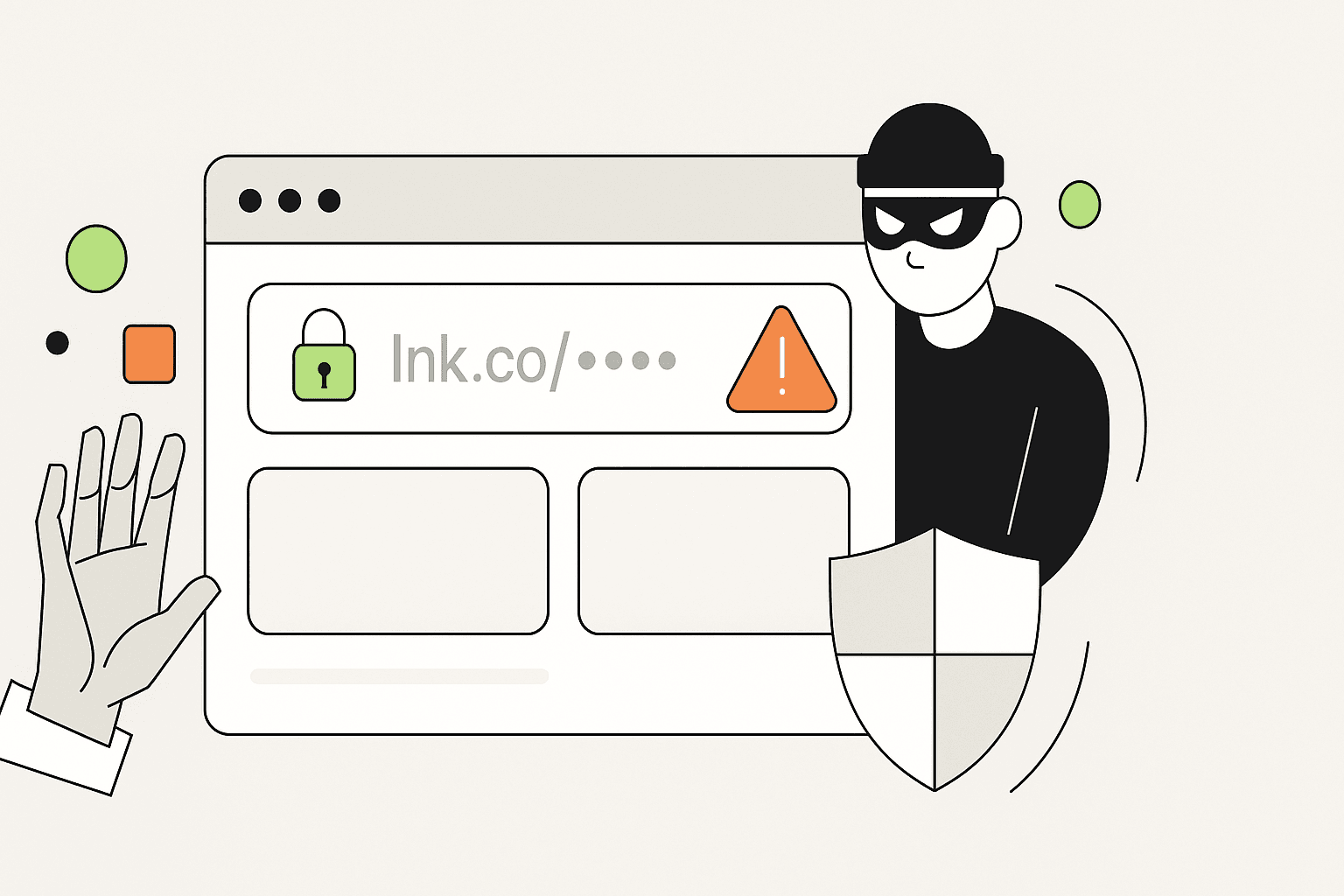
GDPR fines reached €5.9 billion by January 2025, and third-party cookies keep declining. Privacy-first marketing tools have gone from a niche choice to the default one. For newsletter creators, that shift is both a challenge and a chance to build deeper audience trust while keeping analytical precision.
Privacy compliance now delivers 1.6x ROI compared to traditional approaches, while non-compliance costs have soared 2.65 times higher. Meanwhile, 86% of adults view privacy as a growing concern, and 71% would immediately stop using a company if their data were mishandled. Avoiding fines is no longer the main driver. Privacy-first tools are capturing market share from brands still relying on surveillance-based marketing.
The Enforcement Reality That's Reshaping Tool Selection
Newsletter creators operate in an environment where regulatory enforcement has become both aggressive and expensive. The €290 million fine issued to a Dutch company for illegal data transfers in 2024 wasn't an outlier. It signaled the new baseline for enforcement. With cumulative GDPR fines reaching €6.17 billion globally, the financial risk of using cookie-dependent analytics tools now exceeds the cost of switching to privacy-first alternatives.
Traditional link shorteners and analytics platforms built on third-party cookie infrastructure are increasingly liability generators rather than assets. When Safari's Intelligent Tracking Prevention caused CPMs to drop 60% for cookie-based advertising, it exposed the fragility of tracking systems that rely on cross-site surveillance. Newsletter creators who depended on these tools suddenly lost visibility into geographic distribution, device preferences, and conversion paths. That's the exact data needed to optimize content and monetization strategies.
The shift toward cookie-free tracking methods is about data accuracy as much as compliance. Browser-based blocking now affects up to 40% of web traffic, meaning traditional analytics undercount actual engagement by significant margins. Privacy-first tools that use server-side tracking capture this hidden activity without triggering privacy protections or requiring consent banners that interrupt the user experience. See what that undercount looks like for your own numbers with the consent banner cost calculator.
How Trust Became the Ultimate Conversion Metric
The economics of privacy-first marketing reveal why this trend is accelerating rather than plateauing. Research shows that 87% of customers are willing to pay more for products from brands they trust, while companies using consent-based first-party strategies achieve 8% click-through rates compared to just 2% for traditional behavioral targeting. This performance gap explains why privacy-focused approaches are gaining market share despite initial skepticism about personalization capabilities.
For newsletter creators, this trust premium translates directly to bottom-line results. Audiences increasingly scrutinize how their engagement data is collected and used. When a newsletter link requires accepting cookies or loading third-party trackers, it creates friction that reduces click-through rates and increases unsubscribe likelihood. Privacy-first link tracking eliminates this friction entirely: readers click, you get analytics, and no consent banner interrupts the experience.
The competitive advantage extends beyond user experience to operational efficiency. Newsletter creators using privacy-compliant tools report significantly less time spent on compliance audits, cookie consent configuration, and retrofitting analytics systems to meet changing regulations. That time savings leaves more room for content creation and audience development, the activities that actually drive growth.
Why Server-Side Analytics Are Replacing Cookie-Based Tracking
The technical architecture of privacy-first marketing tools fundamentally differs from legacy platforms. Server-side analytics capture click data during the redirect process itself, storing information on EU-hosted servers without ever touching the user's browser. This approach provides several compounding advantages for newsletter creators.
First, accuracy improves dramatically. Browser extensions and privacy settings that block client-side tracking have no effect on server-side measurement. When you share a link in your newsletter, you capture every click regardless of the recipient's privacy configuration. This complete data visibility enables better audience segmentation and content optimization without the gaps that plague cookie-dependent systems.
Second, compliance becomes automatic rather than manual. Since no personal data is stored on users' devices and all processing occurs on GDPR-compliant infrastructure, the entire consent banner ecosystem becomes unnecessary. Your newsletter links simply work, tracking engagement without legal complexity. This architectural advantage is why privacy-first analytics platforms are gaining adoption among creators who previously accepted cookie banners as an unavoidable cost of measurement.
Third, performance data remains stable across browser updates and regulatory changes. When Chrome or Safari introduce new privacy protections, server-side systems continue functioning without modification. This stability reduces technical maintenance and protects against sudden data loss that occurs when browser vendors ship updates that break cookie-based tracking.
The First-Party Data Advantage for Newsletter Monetization
Privacy-first tools excel at collecting first-party and zero-party data: information that users intentionally share because they trust how it will be used. For newsletter creators, this capability unlocks monetization strategies that traditional tracking systems can't support effectively.
Consider geographic targeting for affiliate links. Legacy analytics might show that 30% of your clicks come from European countries, but browser blocking and cookie restrictions often misattribute or completely miss this geographic data. Privacy-first link management with server-side geo-detection captures accurate location data on every click, enabling you to route affiliate traffic to the correct regional store without asking users to set preferences manually.
This precision matters financially. Geo-targeted affiliate links typically convert 40-60% better than generic links because they send users to storefronts in their currency with appropriate shipping options. When your analytics accurately reflect geographic distribution, you can optimize content topics and affiliate partnerships for your actual audience rather than the skewed sample that cookie-based tools reveal.
Privacy-first platforms also enable sophisticated testing without privacy trade-offs. A/B testing different landing pages, call-to-action copy, or content formats becomes possible through server-side logic that routes traffic based on testing rules rather than cookie identifiers. You gain optimization capabilities traditionally reserved for enterprise marketing teams while maintaining full privacy compliance and audience trust.
Practical Implementation for Newsletter Creators
Transitioning to privacy-first marketing tools doesn't require technical expertise or workflow disruption. The process centers on replacing cookie-dependent link shorteners and analytics with platforms designed for server-side tracking from the ground up.
Start by auditing your current link tracking setup. Identify which tools set cookies, require consent banners, or lose accuracy due to browser blocking. These are your migration priorities. For most newsletter creators, this means replacing generic link shorteners and any analytics that rely on JavaScript tracking pixels.
Next, implement cookie-free link tracking for all newsletter CTAs, affiliate links, and content resources. Modern privacy-first platforms provide custom domains so your links maintain brand consistency while capturing comprehensive click analytics: browser type, device category, geographic location, referrer source, and time-based patterns. This data flows to dashboards that show exactly which content drives engagement without exposing individual user behavior or requiring consent mechanisms.
Consider setting up campaign-based link organization to track performance across newsletter issues, content themes, or monetization partners. This structure makes it easy to identify which topics resonate with your audience and which affiliate relationships generate the best returns. Because all tracking occurs server-side, you maintain complete historical data even as browser privacy protections evolve.
For creators focused on conversion optimization, implement A/B testing for key links. Server-side testing logic allows you to route traffic to different landing pages or offers while measuring performance without cookies or client-side scripts. This capability, once exclusive to enterprise marketing platforms charging hundreds per month, is now accessible at significantly lower price points through privacy-first tools.
The Competitive Moat Privacy Compliance Creates
Early adopters of privacy-first marketing tools are building defensible competitive advantages that compound over time. As regulations tighten and consumer awareness grows, the cost of maintaining legacy tracking infrastructure increases while the performance gap widens in favor of privacy-compliant alternatives.
Newsletter creators who establish privacy-first workflows now position themselves ahead of three major trend lines. First, regulatory enforcement will continue intensifying. The €5.9 billion in fines collected so far represents just the beginning of mature GDPR enforcement. Creators still using cookie-based tools face increasing compliance risk and potential platform shutdowns if providers can't adapt.
Second, browser vendors are accelerating privacy protections rather than slowing them. Chrome's Privacy Sandbox, Safari's Advanced Tracking Protection, and Firefox's Total Cookie Protection all make cookie-based analytics less effective with each update. Privacy-first infrastructure is immune to these changes, providing stable data quality while traditional tools degrade.
Third, audience expectations around data privacy are shifting from concern to requirement. The 71% of consumers who would stop using a company after data mishandling represents a growing segment that actively evaluates privacy practices before engaging with content. Newsletter creators who can credibly claim privacy-first operations (no tracking cookies, no third-party data sharing, no consent banner friction) convert this privacy-conscious audience at higher rates than competitors still using surveillance-based tools.
The market data supports this strategic positioning. Brands using privacy-first approaches report 43% higher customer lifetime value, driven by increased trust and reduced churn. For subscription-based newsletters, this translates directly to higher retention rates and more stable recurring revenue. The upfront investment in privacy-compliant infrastructure pays dividends through audience loyalty that compounds over years rather than months.
Frequently Asked Questions
Do privacy-first marketing tools provide less data than cookie-based analytics?
Privacy-first tools actually provide more accurate data because they're not affected by browser blocking, privacy extensions, or cookie restrictions. Server-side tracking captures every click regardless of user privacy settings, while cookie-based systems miss 30-40% of traffic due to browser protections. You get geographic location, device type, referrer source, and timing data without gaps or consent requirements.
How do privacy-first tools handle affiliate link tracking without cookies?
Server-side tracking captures affiliate click data during the redirect process before any browser-based blocking can occur. The analytics system logs the click, processes any geographic targeting rules, and forwards the user to the destination, all without storing data on their device. This approach provides complete affiliate link tracking while maintaining GDPR compliance automatically.
What makes a marketing tool truly "privacy-first" versus just compliant?
Privacy-first tools are architecturally designed to avoid privacy-invasive data collection, not just add compliance features to surveillance-based systems. This means server-side processing, no cross-site tracking, data minimization by default, and EU-hosted storage. Compliance-focused tools might add consent banners to cookie-based tracking, but privacy-first platforms eliminate the need for consent by not collecting personal data in the first place.
Can newsletter creators switch to privacy-first tools without losing historical data?
Most privacy-first platforms offer data import functionality and maintain at least 12 months of historical analytics. The transition typically involves running both systems briefly during migration, then consolidating to the new platform. Since privacy-first tools capture more complete data than cookie-blocked systems, many creators discover they gain visibility rather than lose it during the switch.
Building Your Privacy-First Marketing Foundation
The evidence is clear: privacy-first marketing tools are gaining market share because they deliver better ROI, superior data accuracy, and reduced compliance risk compared to legacy platforms. For newsletter creators, this transition represents an opportunity to build audience trust while improving analytical capabilities.
The creators thriving in 2026 treat privacy compliance as a competitive advantage, not a constraint. By implementing server-side analytics, cookie-free link tracking, and first-party data strategies, they've positioned themselves ahead of regulatory trends while capturing the growing segment of privacy-conscious readers willing to pay premium prices for content from brands they trust.
Ready to build your privacy-first marketing infrastructure? Explore how cookie-free link tracking can improve your newsletter analytics while eliminating consent banner friction and compliance complexity. The tools that will dominate 2026 are already available. The question is whether you'll adopt them ahead of your competition or after.