
A long, messy affiliate link filled with tracking parameters doesn't inspire confidence. When potential buyers see "amazon.com/dp/B08N5WRWNW?tag=yoursite-20&linkCode=osi&th=1&psc=1" sprawled across your social media bio or email newsletter, many will hesitate before clicking. The solution seems simple: cloak the link behind something cleaner. But in 2025, affiliate link cloaking sits at the intersection of conversion optimization and growing fraud concerns that cost marketers over $84 billion globally in 2023, accounting for 22% of all digital ad spend according to TrafficGuard.
The challenge for affiliate marketers isn't whether to mask links. It's how to do it responsibly. Pretty links demonstrably improve click-through rates and user trust, yet nearly 25% of all affiliate traffic is now fraudulent, with 45% of affiliate fraud cases involving cloaking tactics according to Traffic Guard's 2025 data. The difference between legitimate link masking and fraudulent cloaking lies in transparency, tracking methodology, and the infrastructure you choose.
Why Affiliate Link Cloaking Became Standard Practice
Affiliate link cloaking emerged from a legitimate marketing need: making URLs shareable and trustworthy. Raw affiliate links expose your tracking IDs, look unprofessional, and often get flagged by spam filters or rejected by advertising platforms. A link like "yoursite.com/recommends/product" converts better than a jumbled mess of parameters for three concrete reasons.
First, clean URLs build brand recognition. When affiliate marketers use consistent, memorable link structures, audiences begin to recognize and trust those patterns. Second, masked links improve deliverability in email and SMS campaigns: long URLs with obvious affiliate parameters trigger spam filters and reduce open rates. Third, cloaked links enable better tracking and management at scale, allowing you to organize hundreds of affiliate relationships without drowning in spreadsheet chaos.
The aesthetic benefit translates directly to revenue. Users are more likely to click a branded, professional-looking link that signals credibility rather than an obvious affiliate URL that screams "I'm getting paid for this." The irony is that ethical affiliates who disclose relationships still benefit from prettier links, while fraudsters exploit the same masking technology for commission theft and redirect hijacking.
The Dark Side: How Cloaking Enables Affiliate Fraud in 2025
While legitimate marketers use cloaking for branding, fraudsters weaponize it to steal commissions and manipulate attribution. The 45% of affiliate fraud cases involving cloaking typically fall into several sophisticated categories that have evolved dramatically with AI and automation.
Redirect hijacking represents the most damaging form. Fraudsters intercept branded search traffic (users searching for "Nike shoes" or "Shopify pricing") and insert their affiliate cookies through cloaked redirects that appear legitimate. The user reaches the intended destination but the fraudster's affiliate ID gets credited for the conversion, stealing commissions from the actual marketing source. This tactic inflates customer acquisition costs because advertisers pay twice: once for their legitimate marketing and again through the fraudulent affiliate commission.
Geotargeted cloaking adds another layer of sophistication. Fraudulent links show different destinations based on the visitor's location, browser, or device. Ad platform reviewers see a compliant landing page while real users get redirected through affiliate tracking that violates platform policies. Traditional analytics tools struggle to detect these patterns because the fraud happens server-side, invisible to cookie-based tracking pixels.
Conversion hijacking, which increased nearly 70% from 0.3% in 2022 to 0.5% of social engineering attacks in 2023 according to Bluepear, uses cloaking to inject affiliate cookies at the last moment before purchase. The original marketer who drove awareness and consideration gets nothing while the hijacker claims the commission for simply being last in the attribution chain.
The Privacy Paradox: Cookie-Based Cloaking in a GDPR World
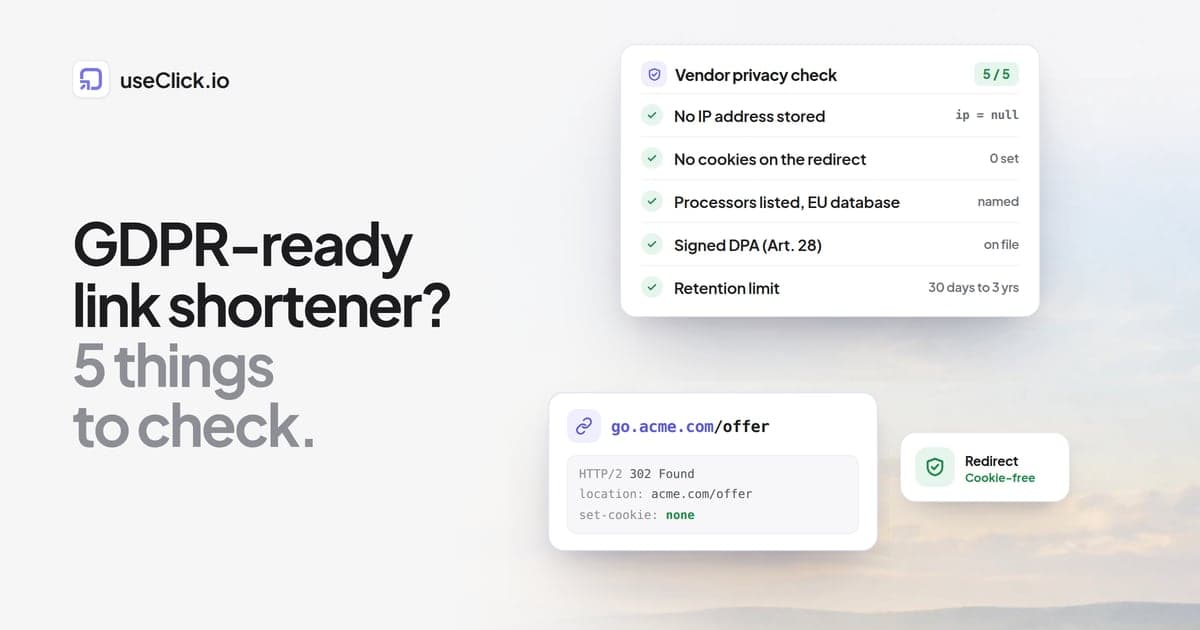
Traditional link cloaking relies heavily on browser cookies to track user behavior and attribute conversions. This creates a compound problem in 2025: cookie-based tracking not only pollutes your data with fraud but also triggers GDPR consent requirements that reduce your ability to track legitimate traffic.
When you implement cookie-dependent affiliate tracking, you're legally required to obtain explicit consent before placing tracking cookies on EU visitors' browsers. This means consent banners, reduced tracking coverage, and fragmented attribution data. Meanwhile, fraudsters bypass these restrictions entirely using server-side cookie stuffing that doesn't respect user consent or privacy regulations.
The solution isn't abandoning link masking. It's adopting infrastructure that separates the aesthetic benefits of pretty links from the privacy risks of cookie-based tracking. Server-side analytics capture click data during the redirect process without storing anything on the user's device. This approach maintains full GDPR compliance while providing cleaner, fraud-resistant data that actually reflects real user behavior.
Modern affiliate tracking solutions enable you to create professional, branded links while logging analytics at the server level. You get the conversion lift from clean URLs without the compliance headaches or fraud vulnerability of cookie-based systems.
Implementing Transparent Link Cloaking That Builds Trust
Responsible affiliate link cloaking balances aesthetics with transparency through several key practices. Start with branded short links using your own domain rather than generic shorteners. A link like "yoursite.com/tools/email" signals that you're recommending an email marketing tool, maintaining transparency about the commercial relationship while presenting professionally.
Implement proper disclosure regardless of how pretty your links look. The FTC requires clear affiliate relationship disclosure, and savvy audiences appreciate honesty. Your link might be beautifully branded, but your content should still indicate "This post contains affiliate links" or similar language. Transparency in disclosure combined with aesthetic link presentation creates the ideal balance: users know you're compensated but appreciate the professional presentation.
Choose link management infrastructure with fraud detection capabilities built in. Look for platforms offering anomaly detection on click patterns, geographic analysis that reveals suspicious traffic sources, and referral chain tracking that identifies redirect hijacking attempts. These features help you spot fraudulent activity in your affiliate campaigns before it drains your budget or damages relationships with affiliate networks.
Use geo-targeting capabilities legitimately to improve user experience, not to deceive ad platforms. Regional targeting should direct users to the most relevant product version for their location. Sending UK visitors to Amazon UK and US visitors to Amazon US maximizes conversions while maintaining transparency. This is worlds apart from showing different content to reviewers versus real users.
Measuring Success: Analytics That Matter for Cloaked Links
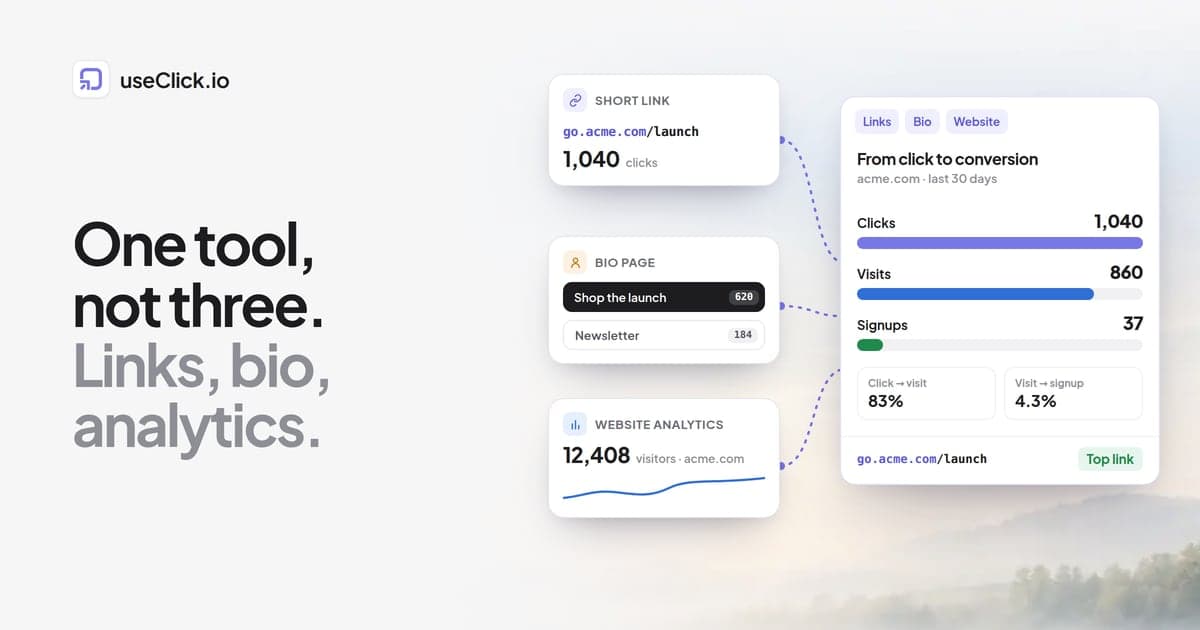
Effective affiliate link cloaking requires analytics that help you optimize conversion rates while detecting fraud. Focus on metrics that reveal both performance and authenticity rather than vanity numbers that can be easily manipulated.
Time-to-conversion curves show how quickly clicks convert to sales. Legitimate traffic typically follows predictable patterns: immediate impulse purchases mixed with consideration periods. Fraudulent traffic often shows unrealistic conversion timing, either impossibly fast or suspiciously uniform. Server-side tracking captures these patterns without the data gaps created by cookie blockers and consent requirements.
Geographic consistency between click source and conversion location helps identify hijacking. If your blog traffic comes from the US but conversions attribute to Eastern European IP addresses, you're likely seeing cookie stuffing or redirect fraud. Privacy-compliant analytics can log geographic data during the redirect without identifying individual users or requiring consent.
Referral chain analysis reveals whether clicks are coming from your legitimate marketing channels or being injected through fraudulent intermediaries. Clean data from a privacy-first approach to link management makes these patterns visible, enabling you to block fraudulent sources and optimize spend toward genuine traffic.
The 2025 Approach: Pretty Links Without Privacy Compromise
The future of affiliate link cloaking lies in infrastructure that delivers aesthetic and conversion benefits without surveillance-based tracking. Server-side analytics, custom domain branding, and fraud detection combine to create a system where pretty links enhance rather than undermine trust.
This approach acknowledges that link masking serves legitimate purposes (improving click-through rates, maintaining professional branding, enabling better campaign organization) while addressing the fraud and privacy concerns that have tainted traditional cloaking methods. You can create clean, memorable affiliate URLs that users want to click while maintaining complete transparency about your commercial relationships.
The key is choosing tools designed for this balance from the ground up. Legacy platforms built on cookie-based tracking can't simply bolt on privacy compliance or fraud detection. You need infrastructure where server-side analytics, custom domain support, and anomaly detection work together as an integrated system rather than afterthought features.
Frequently Asked Questions
Is affiliate link cloaking against the rules?
Affiliate link cloaking itself isn't prohibited by most networks and platforms, but how you implement it matters tremendously. Networks care that conversions are attributed accurately and that you follow disclosure requirements. Platform policies typically prohibit deceptive cloaking that shows different content to reviewers versus users, but allow branded link shortening for aesthetic purposes. Always review specific terms of service for your affiliate programs and advertising platforms.
Do pretty links actually improve click-through rates?
Yes, clean branded links demonstrably outperform long URLs filled with tracking parameters. Users are more likely to click links that look professional and trustworthy rather than obvious affiliate URLs. The improvement varies by audience and platform, but the aesthetic and trust benefits of link masking are well-documented. The key is combining pretty links with proper disclosure so you maintain credibility while improving conversion rates.
How can I detect if my affiliate links are being hijacked?
Watch for discrepancies between your traffic sources and conversion attribution. If your analytics show clicks from specific channels but conversions attribute to unknown sources, investigate redirect hijacking. Look for unusual geographic patterns, unrealistic conversion timing, and referral chains that include unexpected intermediaries. Server-side analytics provide cleaner data for spotting these anomalies than cookie-based tracking, which fraudsters easily manipulate or bypass.
Can I use link cloaking and stay GDPR compliant?
Absolutely. The compliance issue isn't link masking itself but rather the tracking methodology you use. Cookie-based tracking requires consent under GDPR, creating legal and practical challenges. Server-side analytics that log clicks during the redirect process, without storing data on users' devices, don't require consent for basic traffic measurement. This enables you to maintain professional branded links while respecting privacy regulations and user preferences.
Making Affiliate Link Cloaking Work for You
The debate over affiliate link cloaking misses the point: the technology is neutral, but implementation determines whether it builds or undermines trust. Pretty links improve conversion rates and user experience when combined with transparent disclosure and privacy-respecting infrastructure. The alternative (long, ugly affiliate URLs that trigger spam filters and reduce clicks) serves no one's interests.
Focus on selecting link management tools that enable aesthetic benefits without privacy compromise or fraud vulnerability. Branded domains, server-side analytics, and built-in anomaly detection create the foundation for responsible link cloaking that converts better while protecting your reputation and budget. In a landscape where 22% of digital ad spend goes to fraud, the infrastructure choices you make today determine whether your affiliate marketing thrives or drowns in fake traffic and compliance issues.
Ready to implement affiliate link cloaking that balances aesthetics with transparency? UseClick's privacy-first platform gives you custom domain branding, cookie-free analytics, and geo-targeting capabilities that improve conversions while keeping your data clean and compliant. Create your first branded affiliate link in under two minutes and see how proper infrastructure transforms your affiliate marketing performance.